Service model
The engagement method
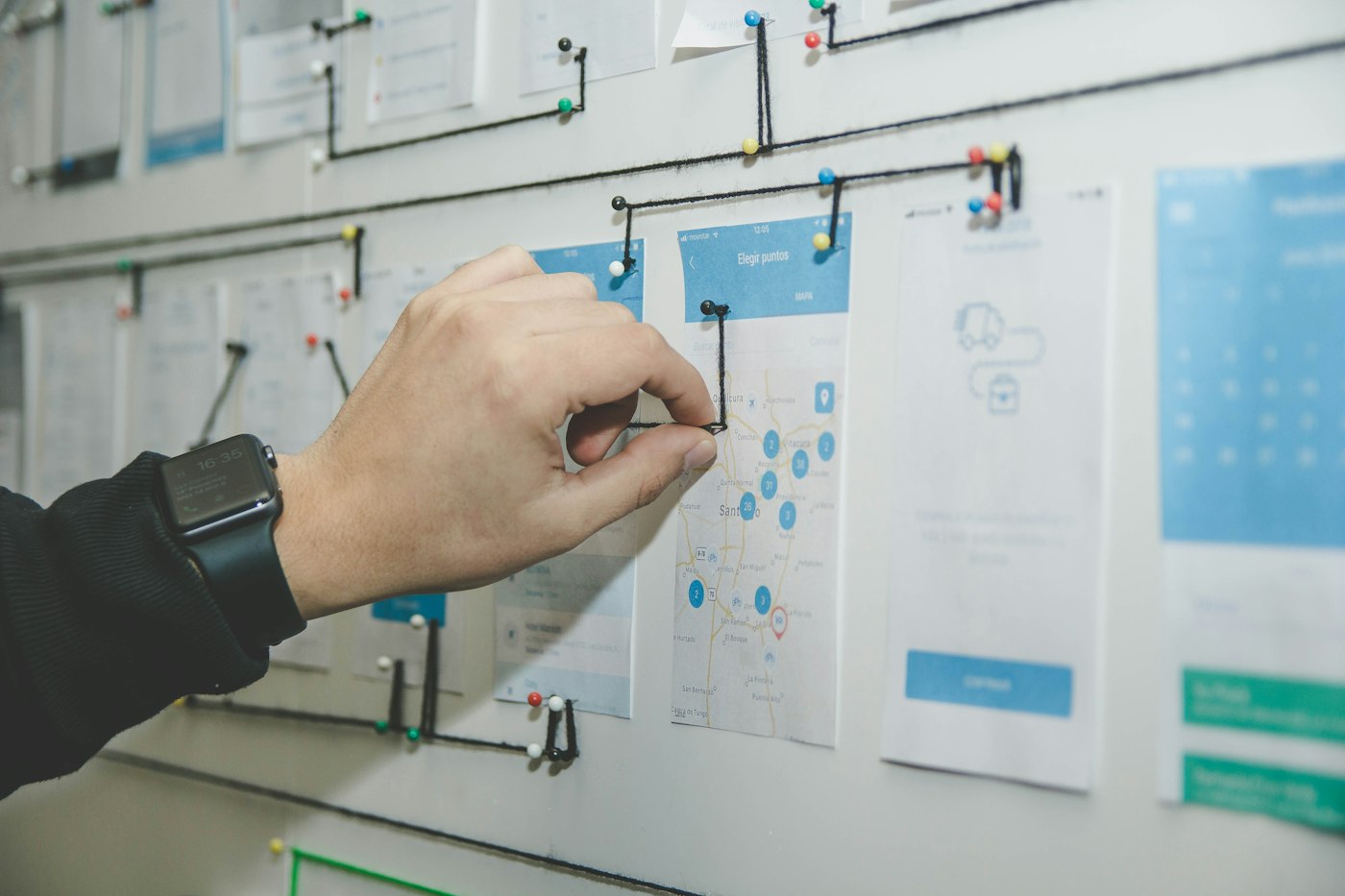
A clear sequence so instrumentation work stays tied to decisions—rather than a pile of unrelated charts.
-
Frame — write the decisions that need numbers
We map the product arguments your team already has: activation, drop-off, retention, or release impact. Tooling talk waits until the questions are written down.
-
Inventory — list what the application already emits
Existing events, properties, and owners are listed without judgement. Duplicates and silent gaps become visible before anyone proposes a rebuild.
-
Dictionary — name the minimum trustworthy set
We draft the event language your engineering team can implement, with ownership and success criteria for each critical path.
-
Validate — prove sequences before you trust charts
Sample traffic is checked against expected paths. Broken steps are fixed in the instrumentation, not patched with dashboard filters.
-
Companion — keep the language honest after ship
Optional release companions watch naming drift and metric fights, returning weekly notes while your team keeps shipping.
Place your product on this path
Most teams start with a signal inventory. If you already have a clean dictionary, say so in the contact form and we will suggest path mapping or a release companion instead.